A client asked us to launch a new product.
We generated 65 meetings, and something even more valuable.
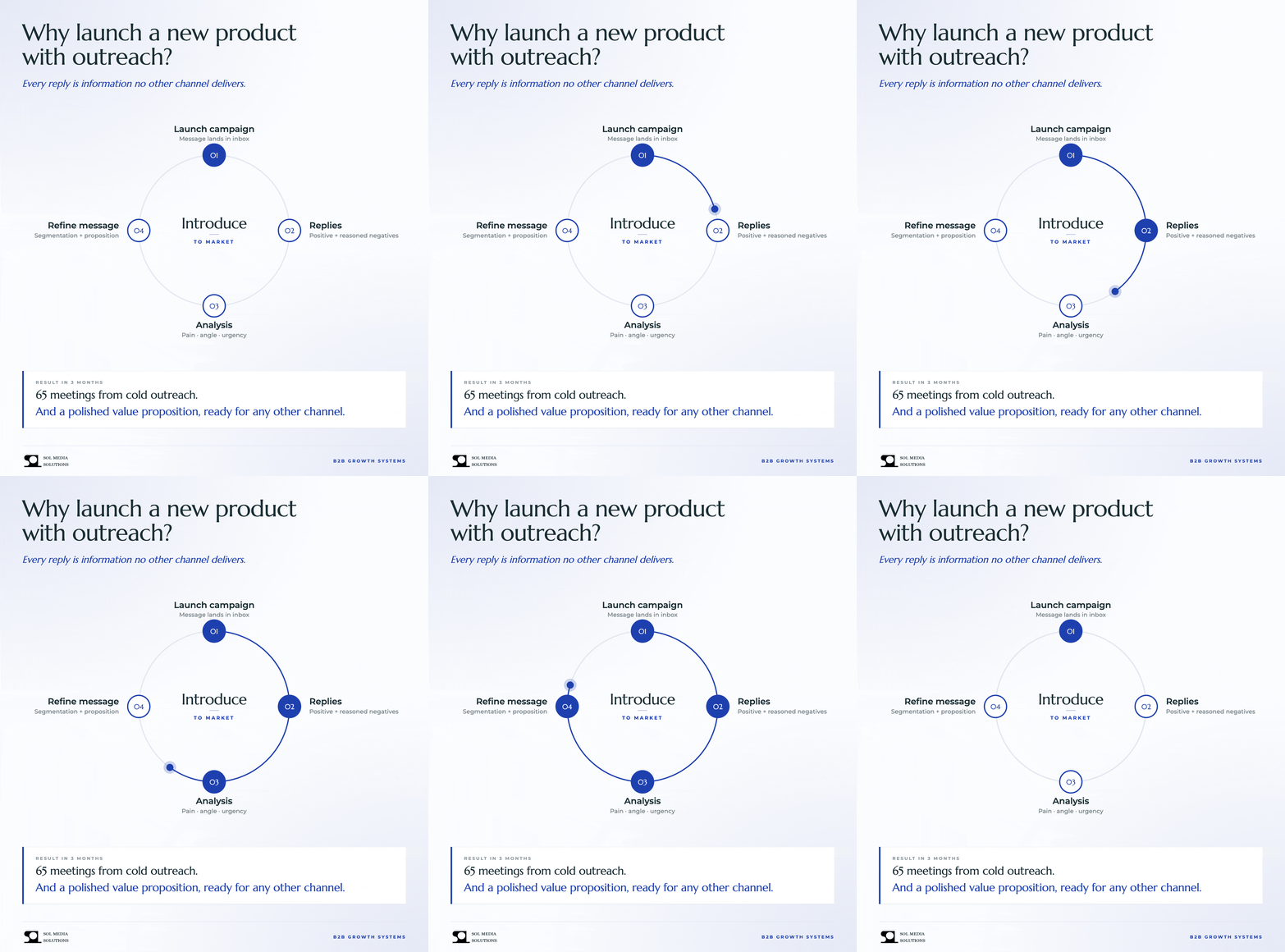
The meetings were never the main point. With a new product, the real value of cold outreach is the rich feedback it pulls from the market. That feedback is what lets you iterate the message and the value proposition until they click.
We were asked to bring a new event ticketing platform to market. The offer hadn't been validated, and the message was untested. So we put the value proposition straight into the target customer's inbox. The replies are what rewrote it.
Unlike ads, which give you conversion metrics, cold outreach starts conversations. And when you're introducing a product, those conversations hold information no other channel delivers.
Every positive reply points to the pain point that landed, the recipient's real situation, the way they're reading the proposition.
The negative ones point to something else: whether the proposition is understood, which angles don't work, which needs aren't actually urgent for this audience.
From that feedback, the first weeks go into refining the message and the segmentation until we find the combination that performs in cold outreach, which can then carry over to the rest of the channels.
That cycle of reading the replies and adjusting the message is what makes outbound hard to replace when a product enters the market for the first time.
In the first 3 months, cold outreach generated 65 meetings. That was the byproduct.
With a new product, the first weeks are for writing the proposition, not producing pipeline. The meetings come after, once it finds its shape.
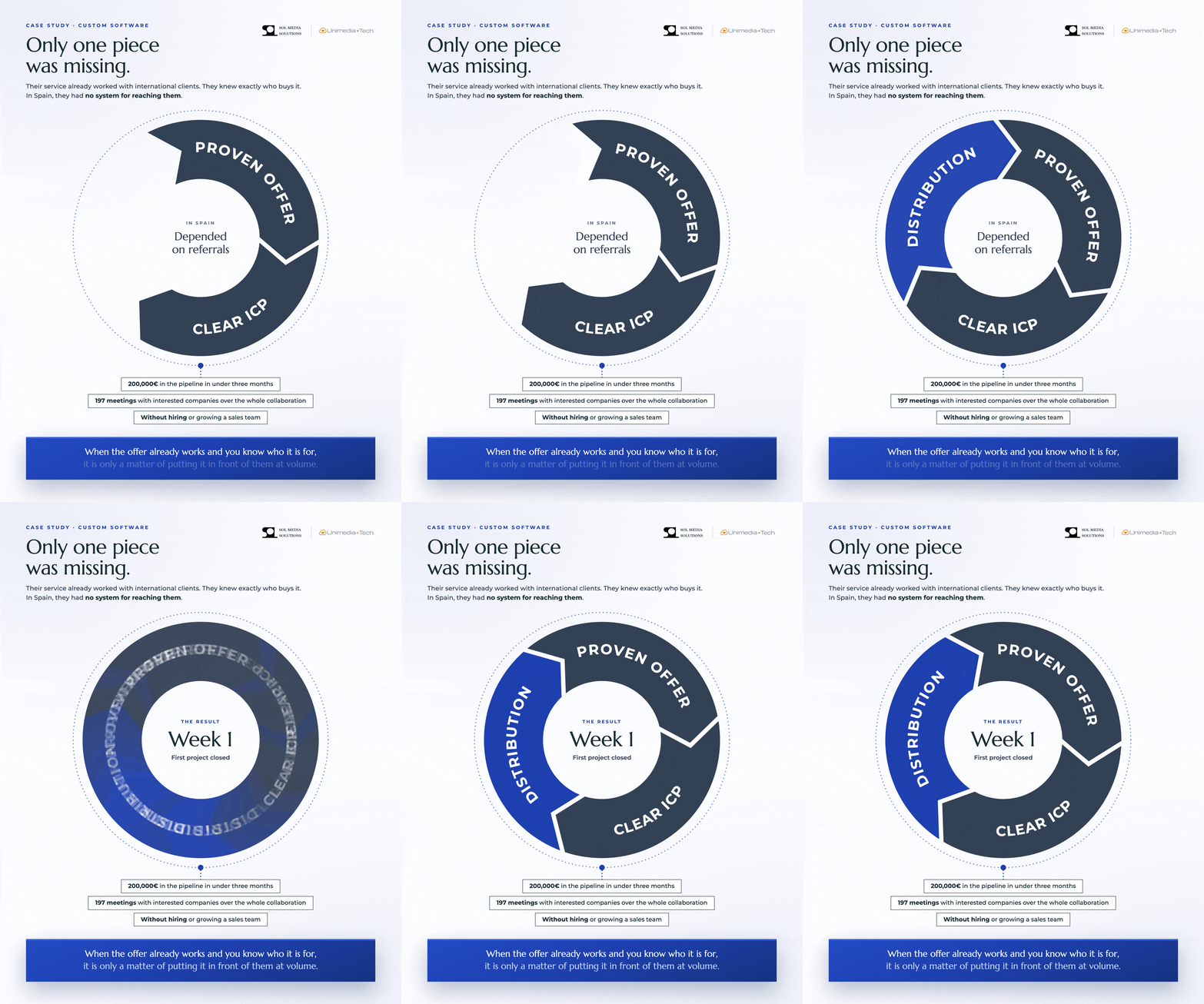
A proven offer and a clear buyer made Spain a distribution problem, not a product one. Over 200,000€ in pipeline in under three months
Read →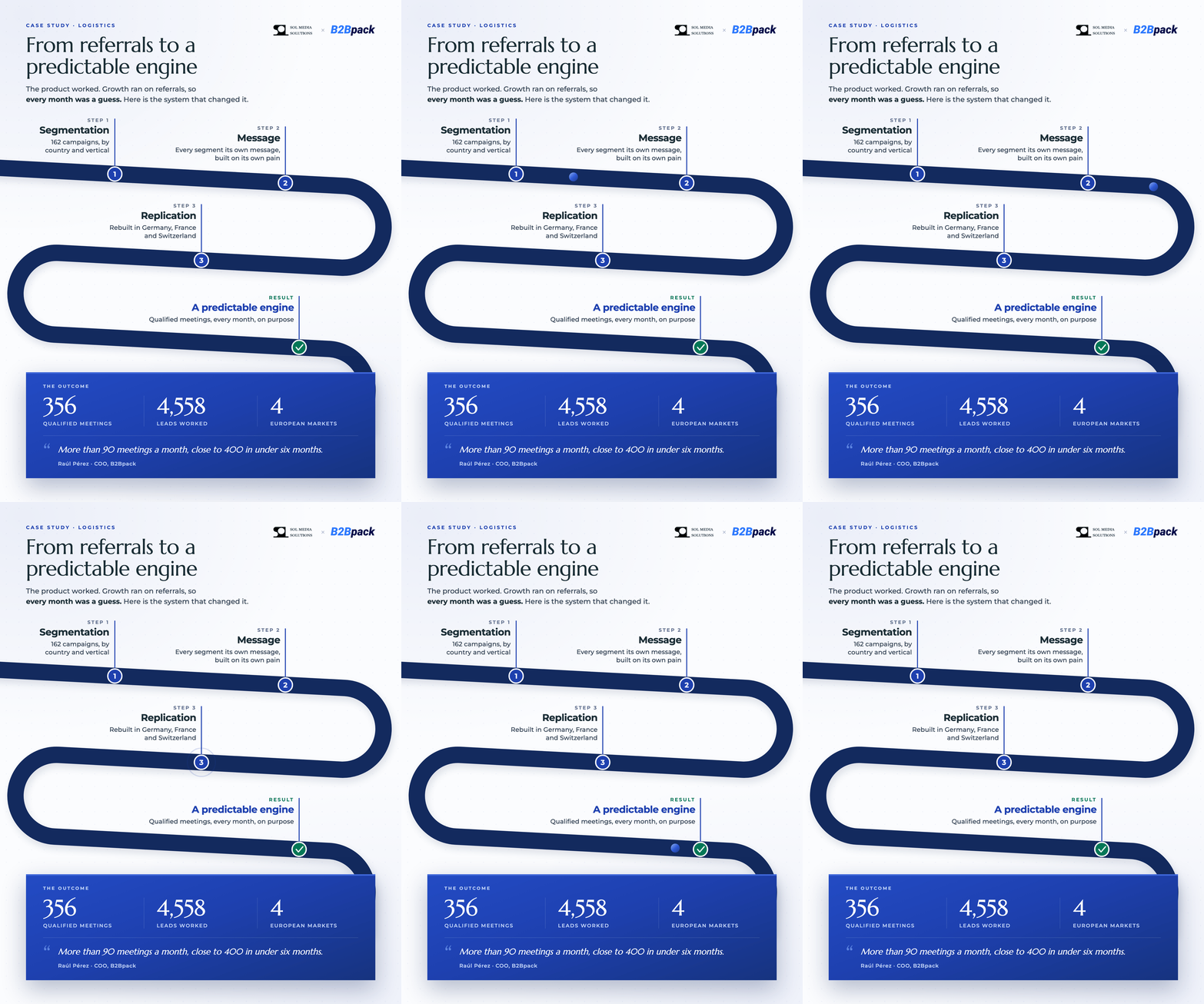
Predictability comes from many small segments running at once, not one big bet. 162 campaigns, with peaks above 90 meetings a month
Read →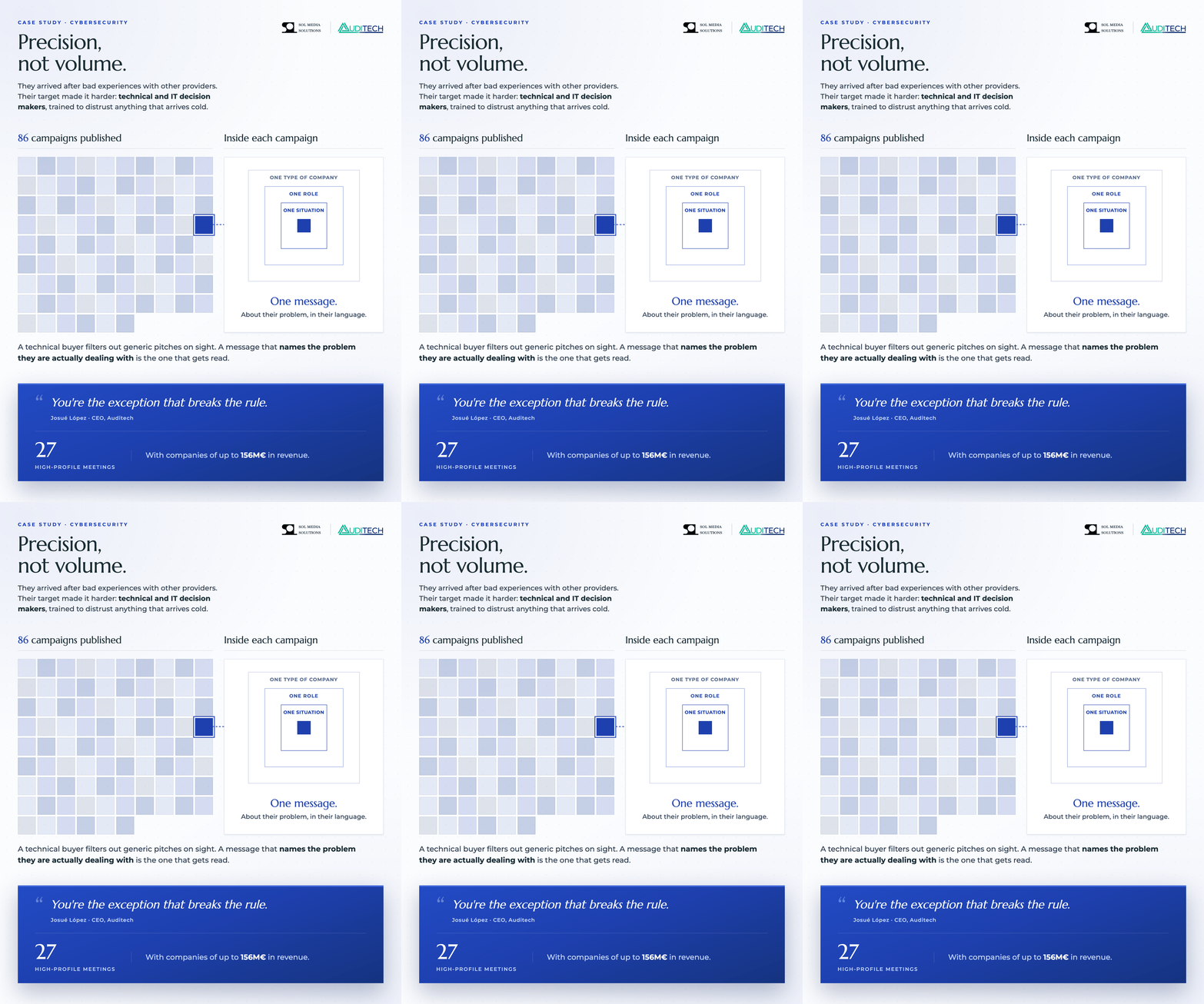
86 campaigns, each aimed at one type of company, one role, one situation. 27 meetings with companies of up to 156M€ in revenue
Read →This is how we think and execute. If you want to see how it would apply to your case, let's talk.