Distribution is built, borrowed, or bought.
Here's the case for building.
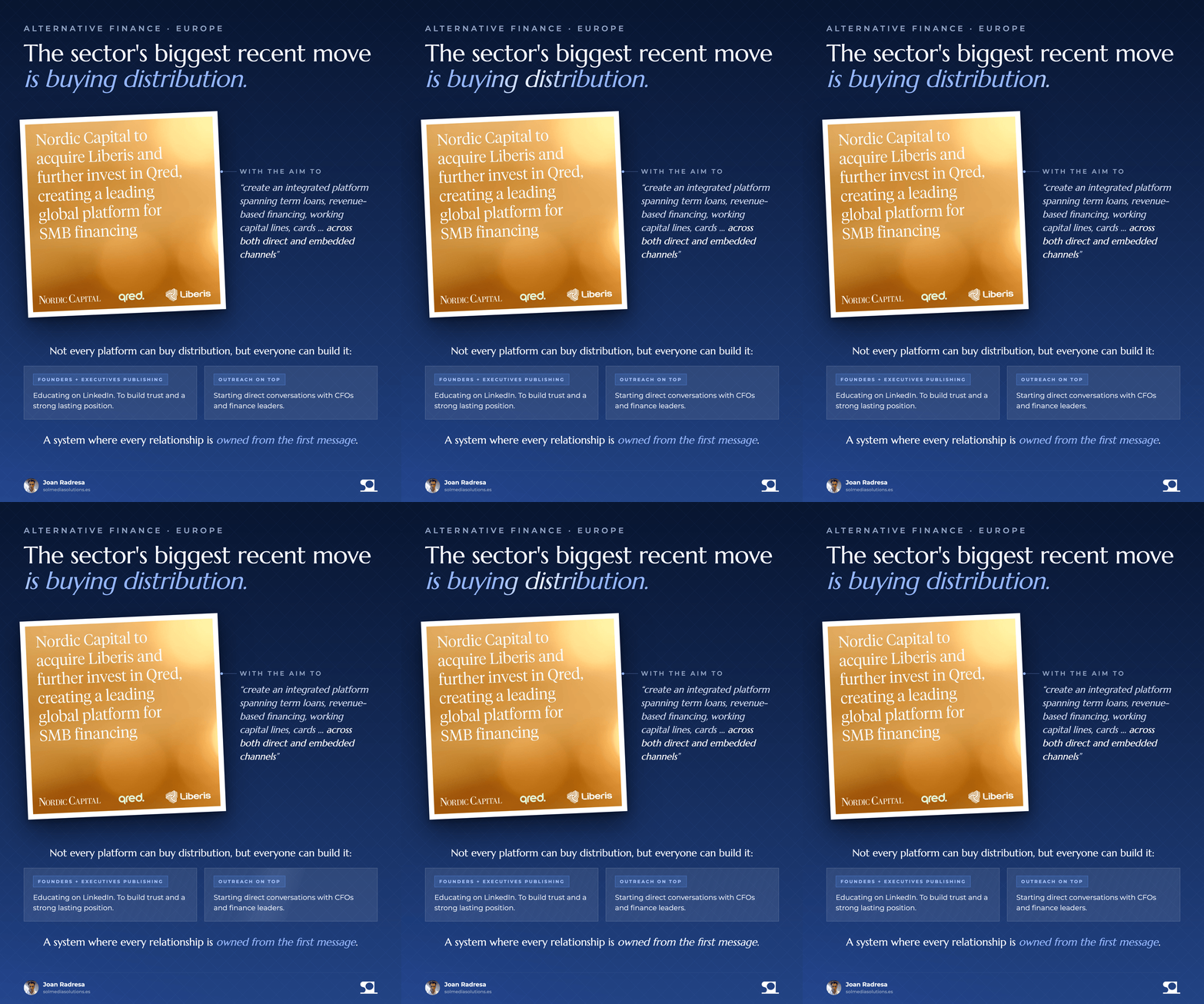
Nordic Capital is merging Qred and Liberis into one SME financing platform, with the stated aim of lending "across both direct and embedded channels."
Capital keeps arriving. Factris secured a €100M debt facility. Teylor, €150M.
The scarce part is origination: enough volume to deploy them.
The channels that carry most of it are borrowed. Brokers hold the client relationship. Embedded partners set the pace.
Nordic Capital's merger is buying distribution. A direct channel and an embedded one, combined under a single platform it fully owns.
Buying at that scale takes private equity money.
Most platforms won't have that option. But they can still build it.
Building distribution takes time and effort. In exchange, everything it creates belongs to the platform.
Founders and key executives publishing on LinkedIn, in front of the businesses the platform wants to finance. Educating and providing value, consistently. That builds trust before any deal is on the table.
On top of that trust, outreach campaigns open direct conversations with those same businesses, under the platform's own name.
Every relationship owned from the first message. Every post compounding into a position no partner controls.
Capital is available. Distribution can be bought, borrowed, or built.
Built is the version every platform can own.
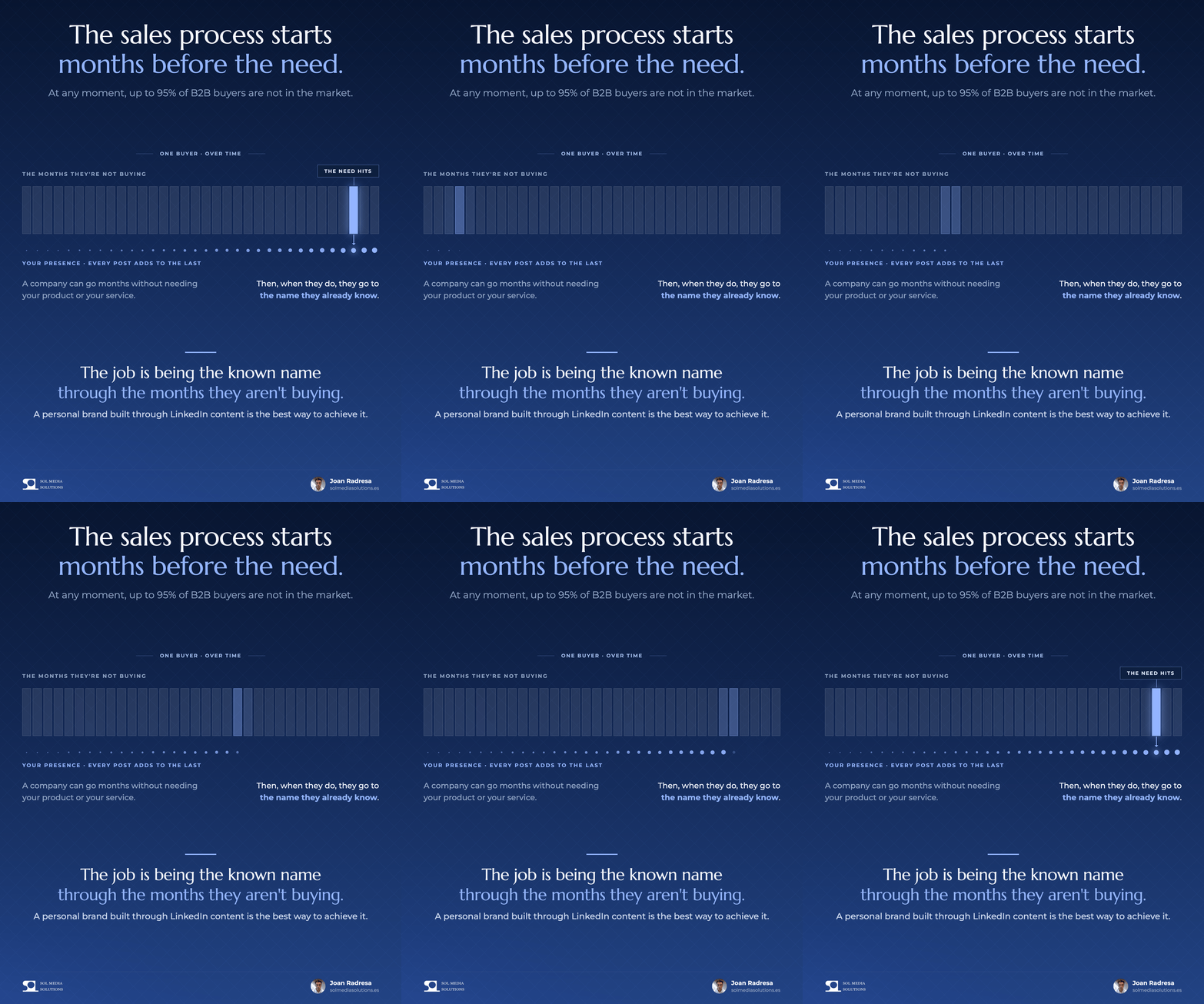
Ads rent your presence, outreach spends it chasing the moment. Content is the one you end up owning, and why we build LinkedIn into every system
Read →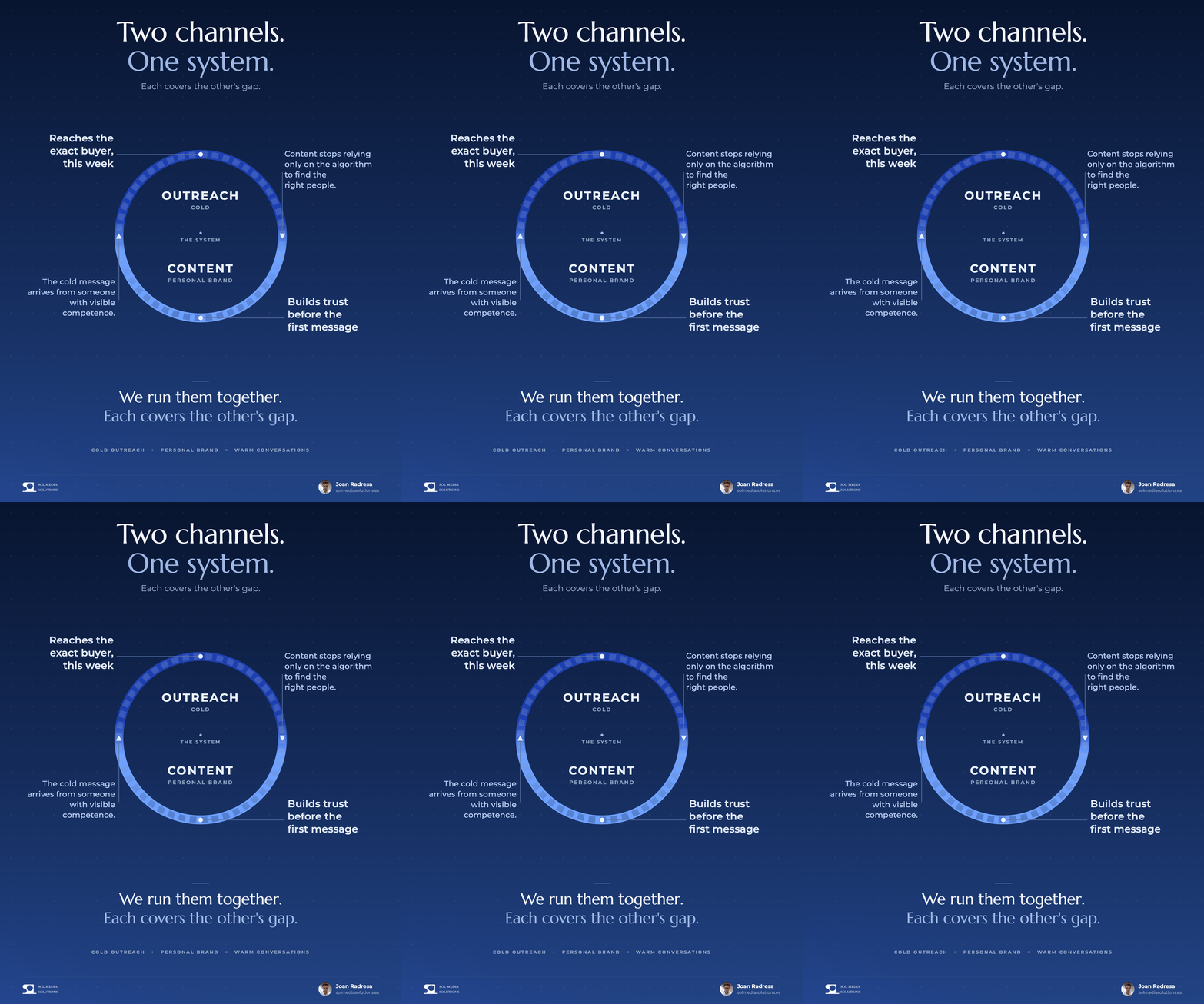
Outreach starts from zero every time; content is slow and can't pick the audience. Run together, each channel covers the other's weakness
Read →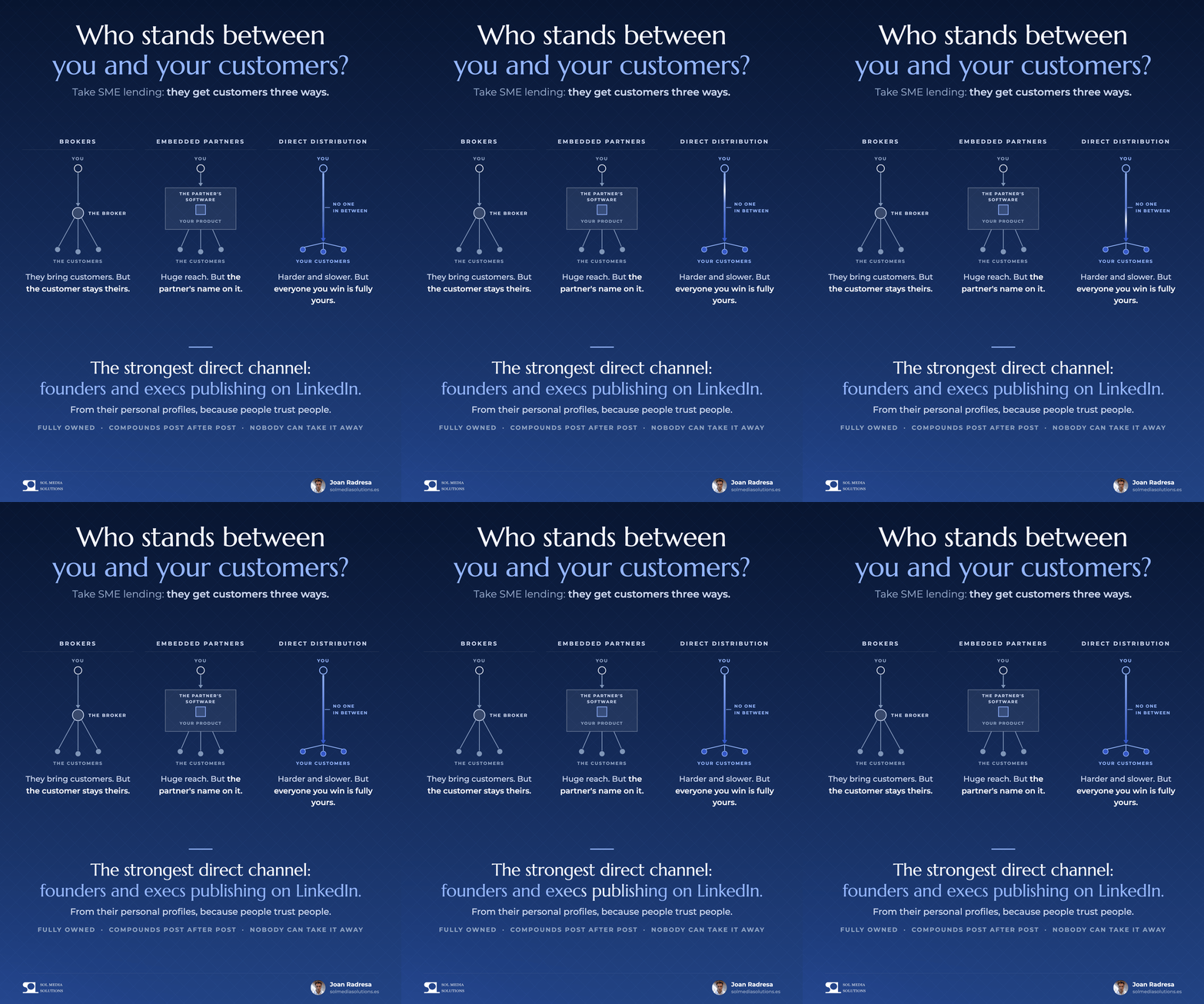
Brokers keep the customer. Embedded partners set the pace. The case for a direct channel that compounds and nobody can take away
Read →This is how we think and execute. If you want to see how it would apply to your case, let's talk.